


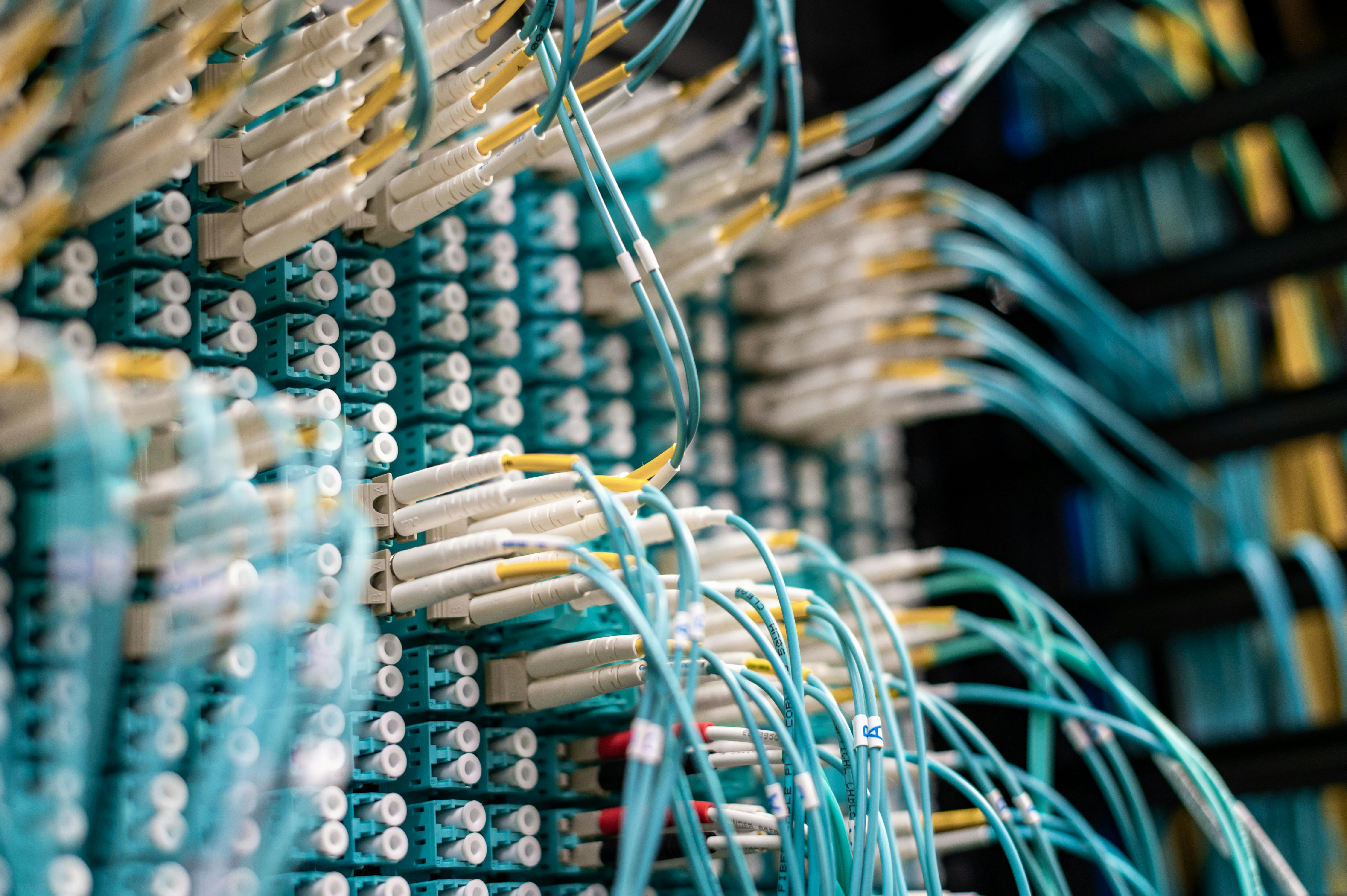
Maximizing Efficiency: Best Practices for IT Infrastructure
The foundation of any successful business lies in its IT infrastructure. An optimized infrastructure allows for seamless operations, greater productivity, and lower operational costs. In this article, we explore the best practices that can help you maximize the efficiency of your IT systems and ensure that they continue to meet your business needs for years to come.
Regular System Audits and Monitoring
Routine audits and continuous monitoring of your IT infrastructure are crucial for identifying inefficiencies, outdated hardware, or security vulnerabilities. Regularly auditing your systems allows you to assess how well your infrastructure is performing and whether any components need to be upgraded or replaced. Monitoring tools can help you track system performance and detect potential issues before they escalate into major problems.
Cloud Integration
Migrating to the cloud offers several advantages, including enhanced scalability, improved security, and cost savings. Cloud solutions, such as Software-as-a-Service (SaaS) and Infrastructure-as-a-Service (IaaS), allow businesses to scale their IT infrastructure according to their needs. By leveraging cloud technology, businesses can eliminate the need for costly hardware investments and reduce the burden on internal IT teams.
Virtualization
Virtualization is one of the most effective ways to optimize IT infrastructure. By virtualizing servers, storage, and networks, businesses can maximize their resources and improve system efficiency. Virtualization enables organizations to run multiple operating systems and applications on a single physical machine, reducing the need for additional hardware. This results in lower maintenance costs and improved resource allocation.
Network Optimization
Efficient network performance is essential for smooth business operations. Regularly optimizing your network infrastructure helps improve speed, minimize latency, and ensure that employees can access the resources they need without interruption. Network optimization includes upgrading network components, improving bandwidth, and ensuring redundancy to prevent single points of failure.
Data Management and Storage Solutions
Proper data management is critical for maintaining efficient IT infrastructure. Storing and organizing data in a way that is both secure and easily accessible can save valuable time and resources. Consider adopting centralized data storage solutions, such as Network Attached Storage (NAS) or Storage Area Networks (SAN), to simplify data access and reduce the complexity of managing large amounts of information.
Security and Backup Solutions
An efficient IT infrastructure is not only about performance but also about protecting your data and systems from cyber threats. Investing in strong cybersecurity measures, such as firewalls, encryption, and multi-factor authentication, helps protect your infrastructure from unauthorized access. Additionally, regular backups and disaster recovery plans are essential to ensure that your data is protected in case of an emergency.
Conclusion
The future of IT maintenance will be defined by automation, AI, and predictive models that help businesses keep their systems running smoothly. By embracing these trends, companies can reduce downtime, improve efficiency, and ensure the longevity of their IT infrastructure. Staying ahead of these developments is key to maintaining a competitive edge in an increasingly digital world.
To learn more about how our services can help you optimize your IT infrastructure, contact us now